According to the Maritime Doctrine of the Russian Federation, one of the key goals of national maritime policy is the preservation of marine ecosystems and the sustainable use of their resources. For this reason, assessing the biological resources and biodiversity of the World Ocean is a fundamental scientific task with not only theoretical and practical significance, but also geopolitical implications.
Given that the deep-ocean biosphere makes up more than 95% of Earth’s habitable volume, and that the low-latitude zones between 40°S and 40°N cover about 68% of the ocean’s surface, the importance of studying the water column in these regions becomes clear.

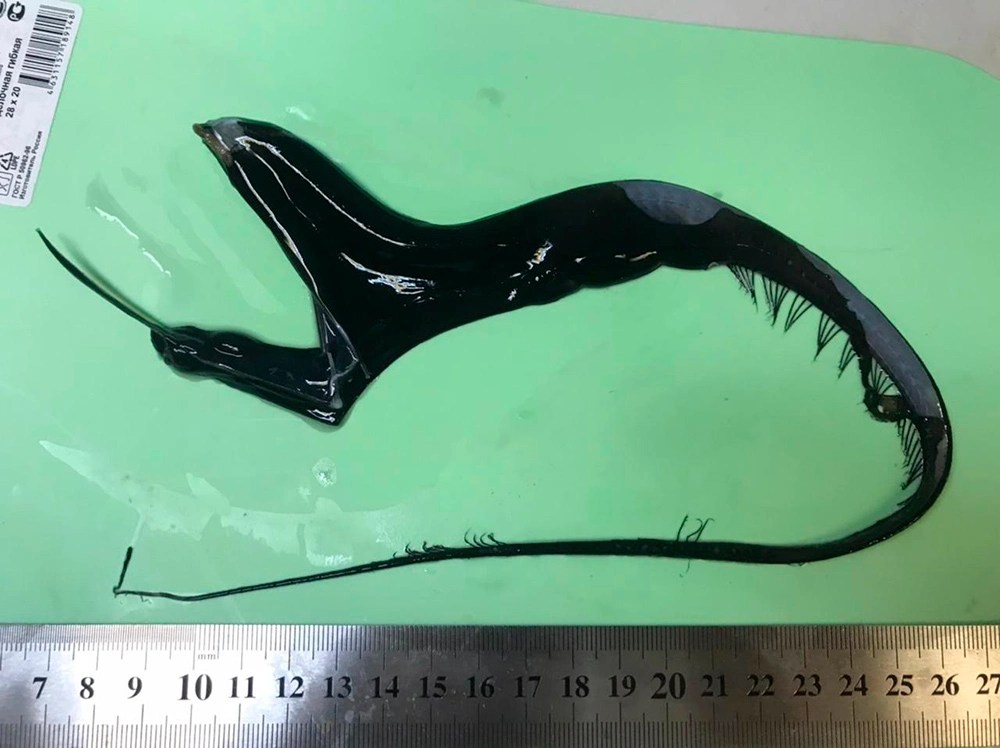
The simultaneous use of trawls and plankton nets—where trawl sampling directly followed net hauls at each station—enabled the most comprehensive assessment of the deep pelagic fauna, from the smallest fractions of mesozooplankton to highly mobile nektonic fishes and cephalopods. In addition, paired day and night sampling series provided valuable data for comparing pelagic communities over the diel cycle and for quantifying vertical migrations of zooplankton and ichthyoplankton.
These new observations will be used to refine previously developed models for estimating the biomass and biodiversity of oceanic plankton. Since diel vertical migrations are one of the major components of the oceanic biological carbon pump, comparing day and night hauls will allow us to derive key parameters that describe the contribution of these migrations to carbon transport in the ocean.
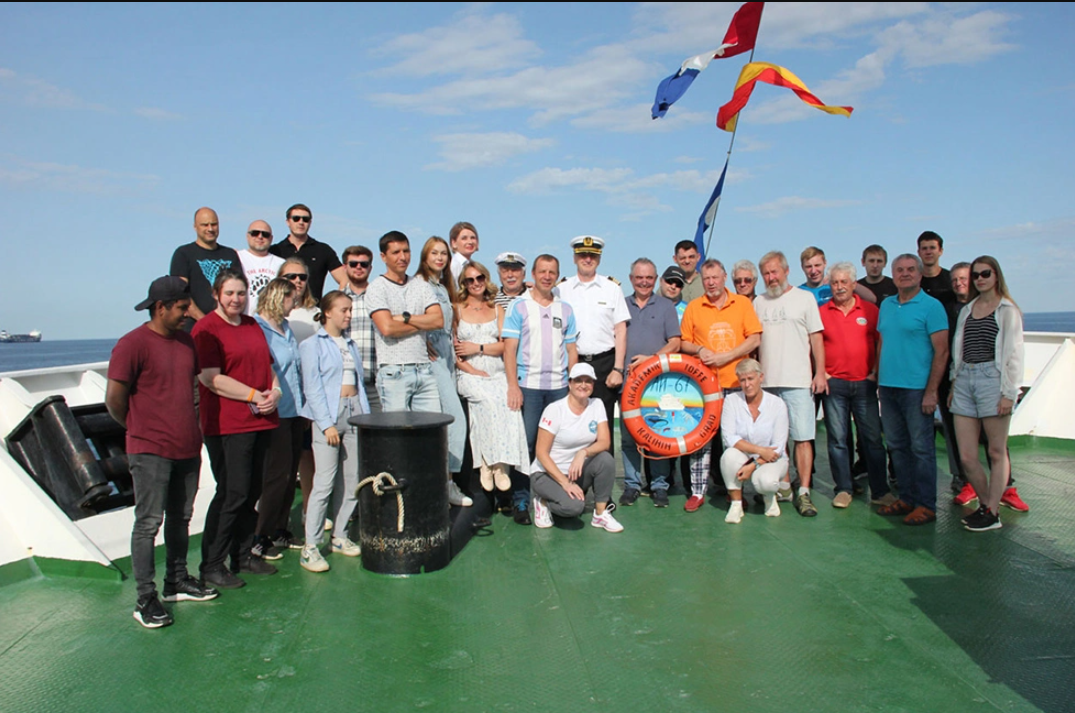
Despite a reduced working schedule—due to the merging of the 66th and 67th cruises into a single voyage from Kaliningrad—the coordinated efforts of the scientific team and crew made it possible to accomplish all planned tasks. We now look forward with great anticipation to future seasons and new expeditions into unexplored regions of the World Ocean.
 Laboratory of Plankton Communities Structure and Dynamics