

When we think of deep-sea expeditions, bizarre anglerfish with glowing “fishing rods” or giant squid often come to mind. But discoveries in marine biology are sometimes made with far less conspicuous animals, such as the translucent shrimp of the genus Pasiphaea. These meso- and bathypelagic animals live in the water column of the World Ocean, almost invisible to predators and hard for science to reach. But, as a recent study by members of our laboratory has shown, their evolutionary history turned out to be far more tangled and intriguing than it had seemed for the last two centuries.
What is the intrigue?
For a long time, studying these shrimp resembled a detective story full of false clues. Imagine this: you find a tiny, fragile creature in a deep-sea trawl and describe it as a new species, and years later it turns out to have been just a “juvenile” of a shrimp already known to science, one whose carapace simply becomes more complex with age and which grows a few more spines on its legs. Because of such age-related changes, systematics fell into confusion, and many species were described so briefly and hastily that it was almost impossible to identify their representatives.
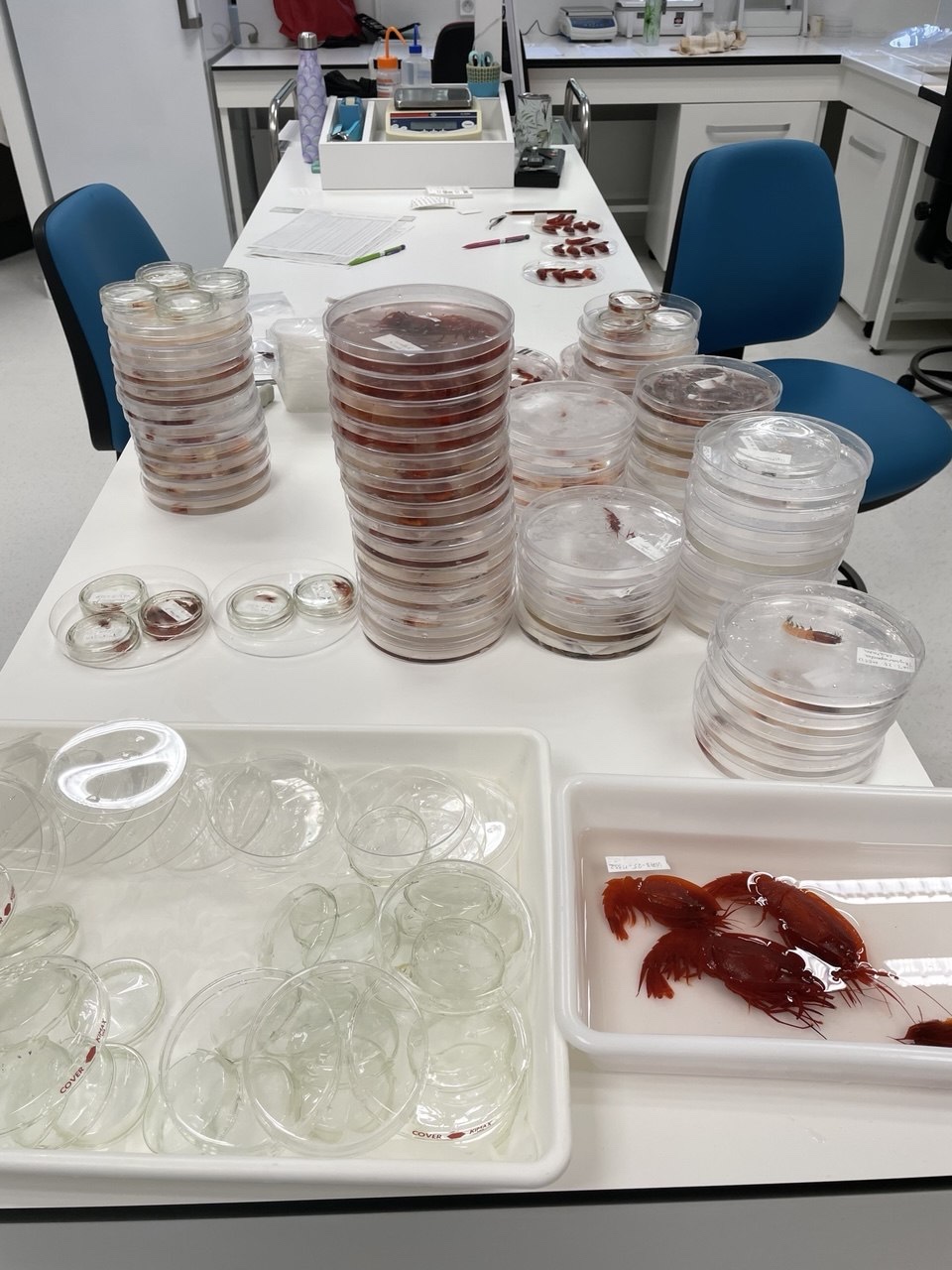

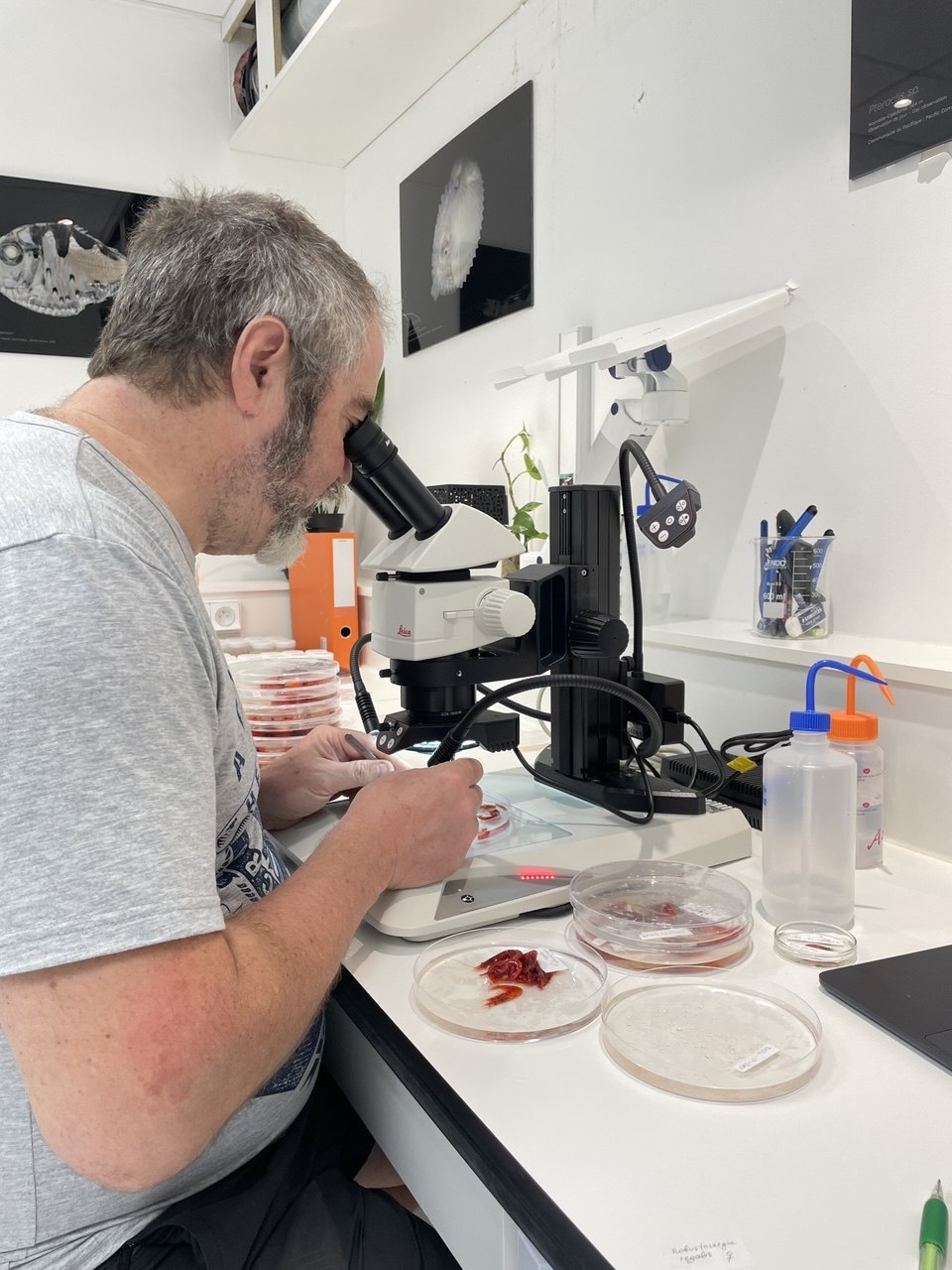
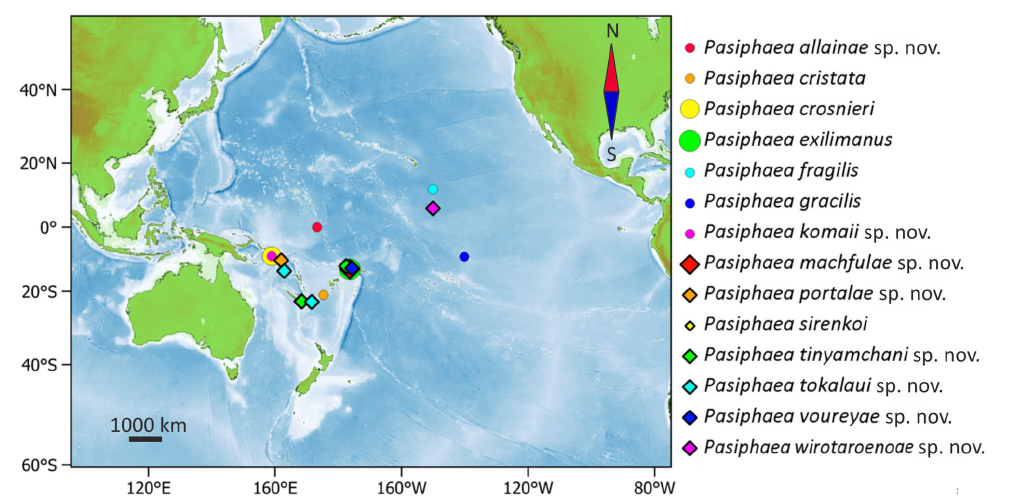
To bring order to the systematics of the genus Pasiphaea, researchers of the Laboratory of Structure and Dynamics of Plankton Communities, together with colleagues from the Pacific Community (New Caledonia), studied shrimp collections from the southwestern Pacific Ocean: the waters around New Caledonia, Fiji and the Solomon Islands. The scientists used a combined approach: they joined classical anatomical analysis (literally measuring with a micrometer the proportions of the tail plates, or telsons, and the teeth on the claws) with modern DNA barcoding, examining three mitochondrial genes.
Results
The results exceeded all expectations and brought several discoveries at once. First, the catch turned out to be phenomenally rich: the scientists discovered and formally described eight shrimp species entirely new to science. Some of them were named in honour of outstanding researchers (for example, Pasiphaea komaii, after the well-known carcinologist Tomoyuki Komai); others were named after their habitat or in gratitude to colleagues who collected samples at sea. Such a number of new species shows that our knowledge of ocean-depth biodiversity is still full of blank spots.
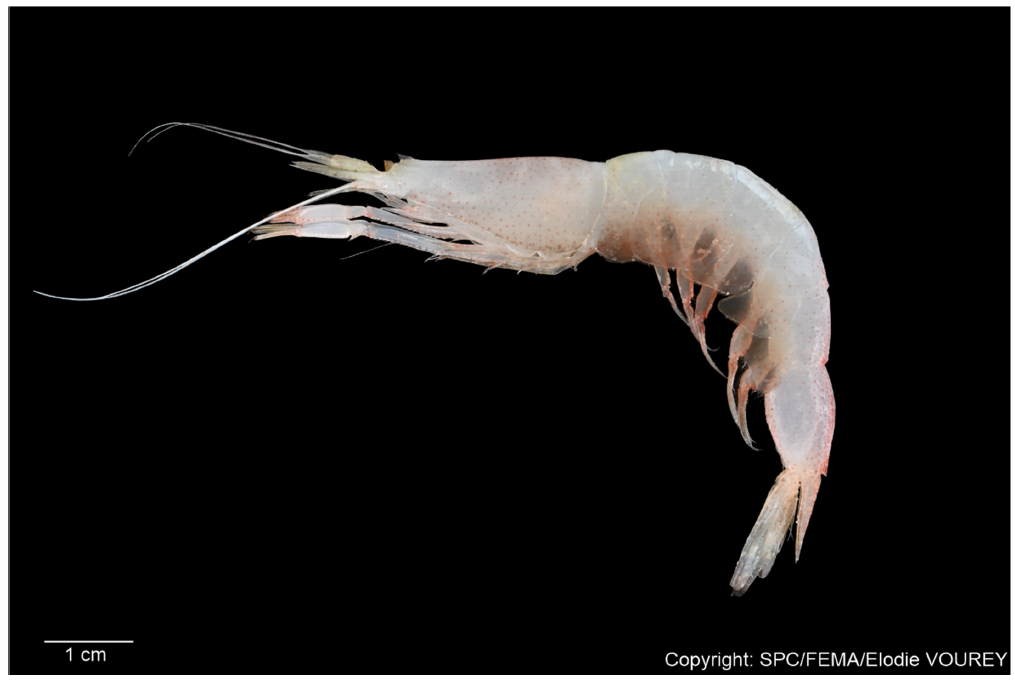
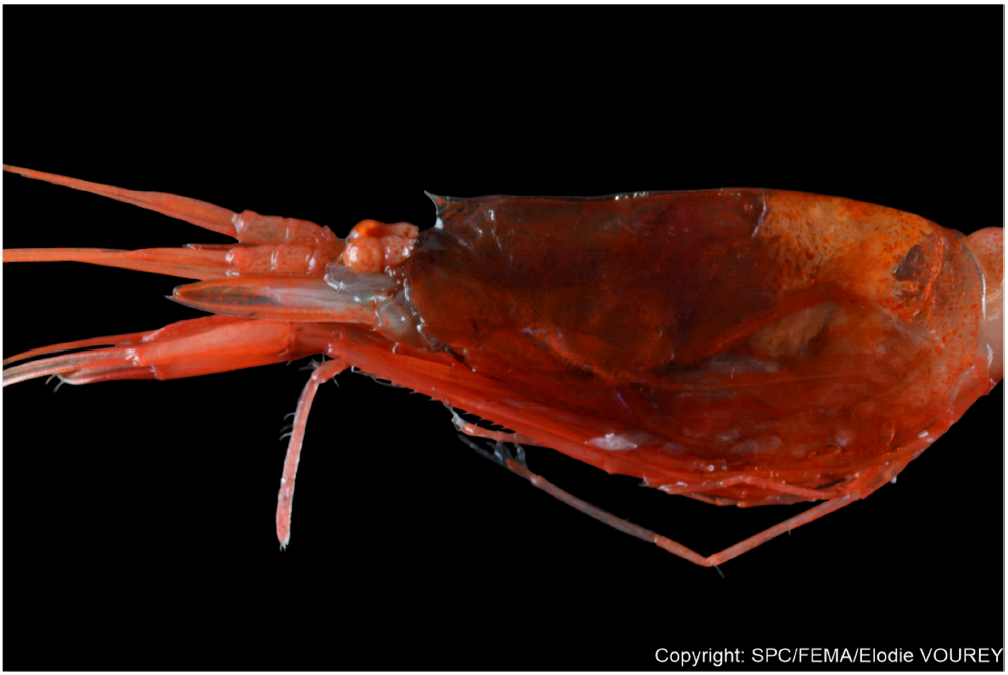
Second, genetic analysis conclusively showed that two shrimp species previously considered separate (Pasiphaea gracilis and Pasiphaea fragilis) are in fact the same animal at different stages of growth. One of the names has now been officially abolished.
But the most intriguing puzzle lay in the mechanisms of evolution. Specialists have long been used to dividing this genus into three conventional groups by external features: in some the dorsal side of the body is smooth, in others it bears sharp keels (ridges), and the third group is distinguished by a specific gill structure. It was logical to assume that animals with the same external features are each other’s closest relatives. However, when the researchers built a phylogenetic tree based on DNA, a surprise awaited them: members of these groups turned out to be scattered across the genetic branches in a completely chaotic way!
Shrimp with an identical carapace and the same set of spines on the thoracic limbs could sit at opposite ends of the evolutionary tree. This is a classic example of a phenomenon called pseudocryptic speciation. It turned out that in different deep-sea ecosystems the shrimp evolved independently of each other, but the harsh, extreme conditions of the ocean depths forced them to acquire the same traits. Outwardly they became almost indistinguishable, although genetically there are significant differences between them.
Conclusion
This study is not just a dry inventory of crustaceans. It shows how plastic and astonishing life is at depths of hundreds and thousands of metres. While we make plans to explore space, in the depths of our own planet’s ocean small creatures continue to play their secret evolutionary game, the rules of which we are only beginning to decipher.
Tikhomirov, A. M., Kulagin, D. N., Lunina, A. A., Vourey, E., & Vereshchaka, A. L. (2025). Taxonomic Revision of Pasiphaea (Pasiphaeidae: Crustacea) of the Southwest Tropical Pacific with a Description of Eight New Species. Diversity, 17(9), 656. https://doi.org/10.3390/d17090656
Glossary
DNA barcoding is a modern method for quickly reading a short but unique stretch of DNA. It works like a barcode scanner in a supermarket: it lets us determine which group a living organism belongs to.
Carapace is the hard protective shell that covers a shrimp’s body (its head and thorax) from above and from the sides.
Carcinologist is a zoologist who specialises in crustaceans (shrimp, crabs, crayfish and so on).
Meso- and bathypelagic animals are creatures that live in the ocean water column at great depth, roughly from 200 metres down to several kilometres, where little or no sunlight penetrates.
Mitochondrial genes are genes located not in the cell nucleus but in the mitochondria (the cell’s special “power stations”). They are passed to offspring only from the mother and are very convenient for tracing a species’ evolutionary history.
Pseudocryptic speciation is a phenomenon in which different animal species look practically identical (so scientists take them for one species for a long time) but have clear differences at the genetic level.
Systematics is the branch of biology that brings order to living nature: it classifies organisms, assigns them to groups (species, genera, families) and gives them official names.
Telson is the tail plate, or “tail tip”, of crustaceans.
Phylogenetic tree is a diagram resembling a family tree that shows how a group evolved and who is a “close relative” of whom.


Leave a Reply