
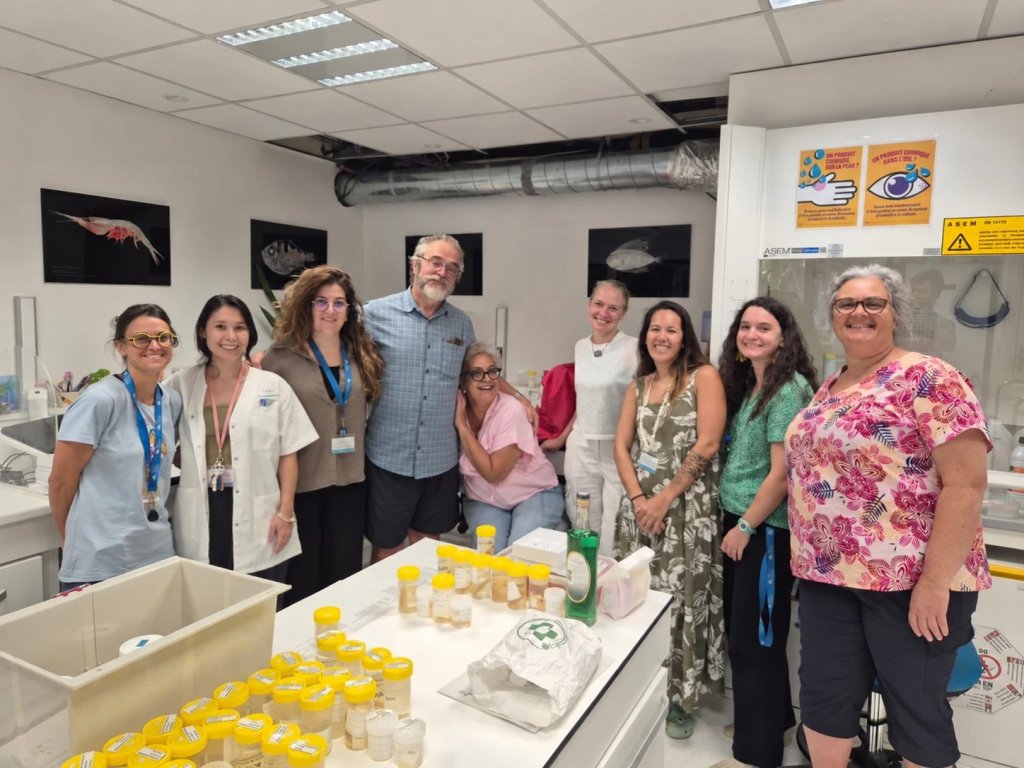
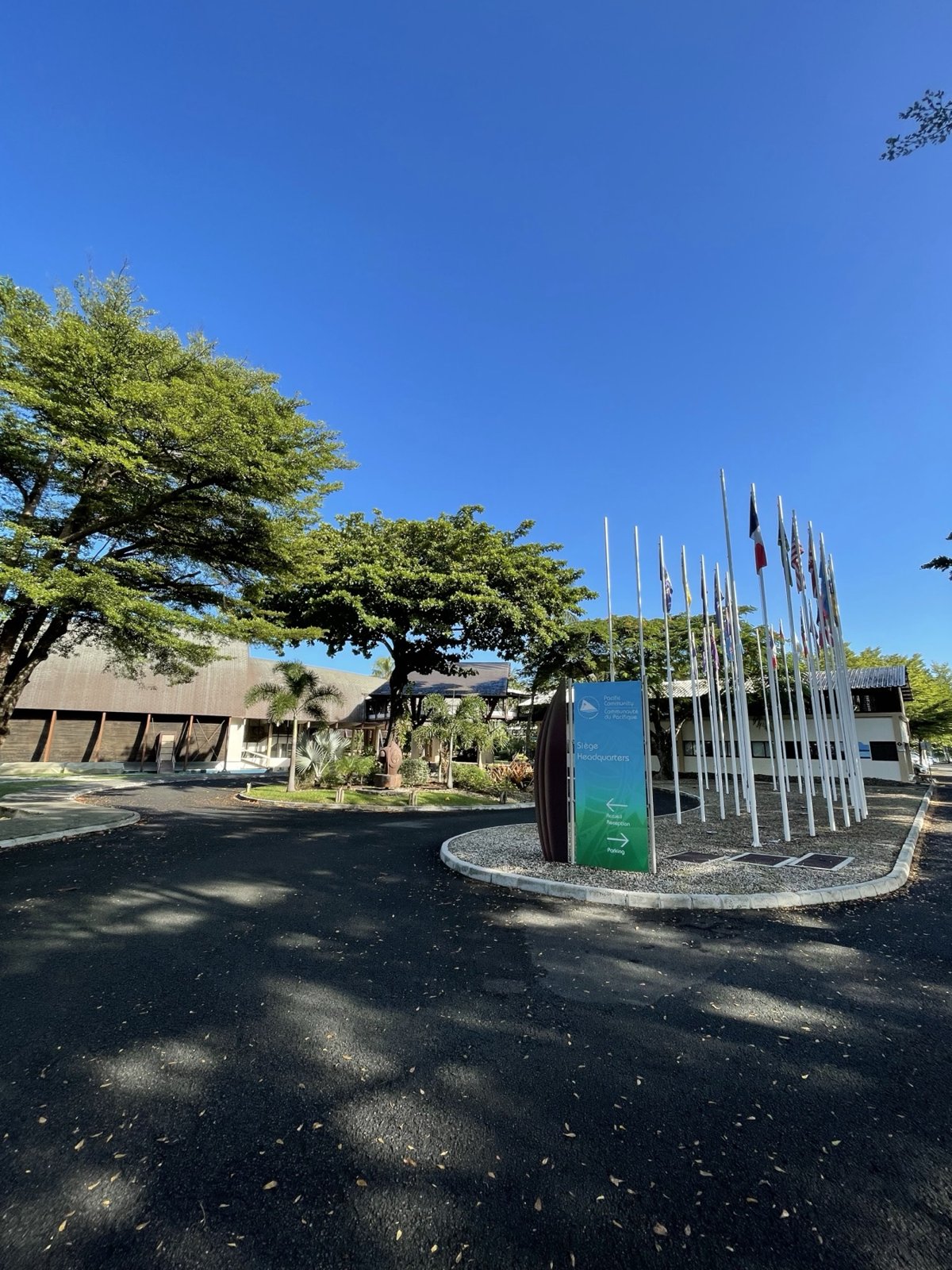
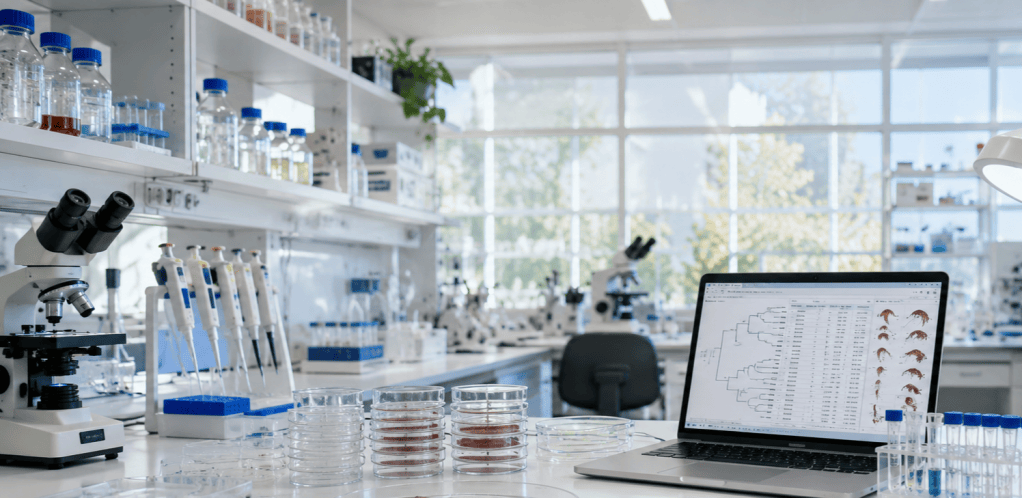
Our laboratory continues its cooperation with biologists in New Caledonia. In September–October this year, A.L. Vereshchaka and A.A. Lunina visited Nouméa, home to the headquarters and research complex of the international organisation Pacific Community (SPC, https://www.spc.int). This is already the second visit of our staff to the Taxonomy Laboratory; the first trip, at the end of 2025, resulted in a joint paper describing 8 new species (DOI). If last year our specialists came to New Caledonia mainly to help identify a number of groups of pelagic shrimps, this year the cooperation programme has expanded.
Background
The Pacific Community (SPC) is the Pacific region’s leading intergovernmental scientific and technical organisation, founded in 1947 and uniting 27 countries and territories. It helps the countries of Oceania solve practical problems of sustainable development, drawing on scientific data and knowledge of local conditions and cultures. SPC not only conducts research but also advises governments, trains specialists, collects regional data and helps to introduce solutions that improve the wellbeing and resilience of Pacific islanders.
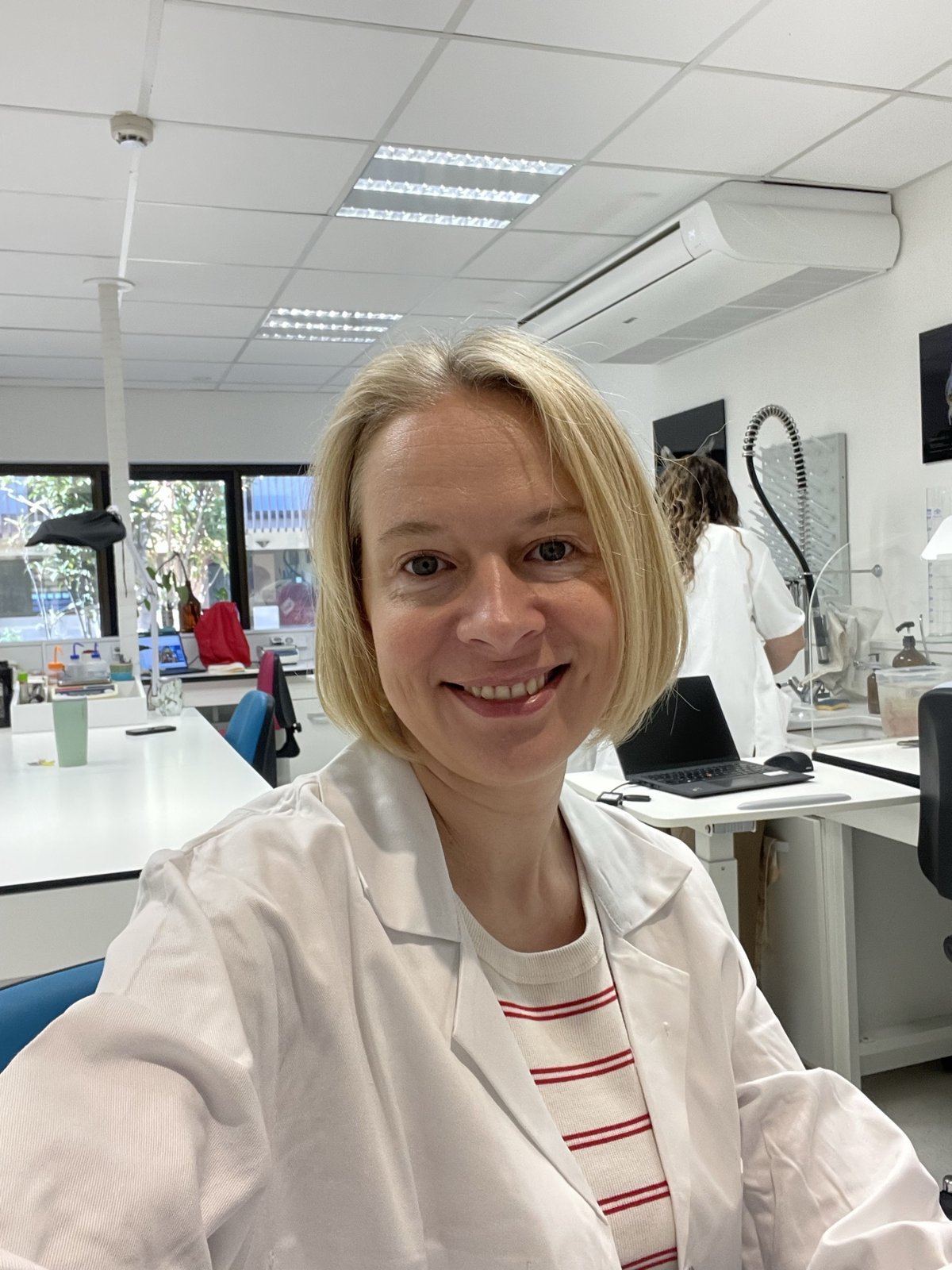
Besides identifying crustaceans from the collections of the Pacific cruises, several other tasks were set. Over the past few months, colleagues from SPC analysed the molecular data obtained after last year’s visit. The results give reason to expect the description of several more new species of pelagic Pacific shrimps soon. The next step will be the molecular and morphological analysis of the material studied jointly this October. In addition, several meetings were held to discuss prospects for cooperation in studying Pacific zooplankton, its distribution, dynamics and the physical factors that determine it, as well as the operation of the carbon pump in this region.




Why it matters
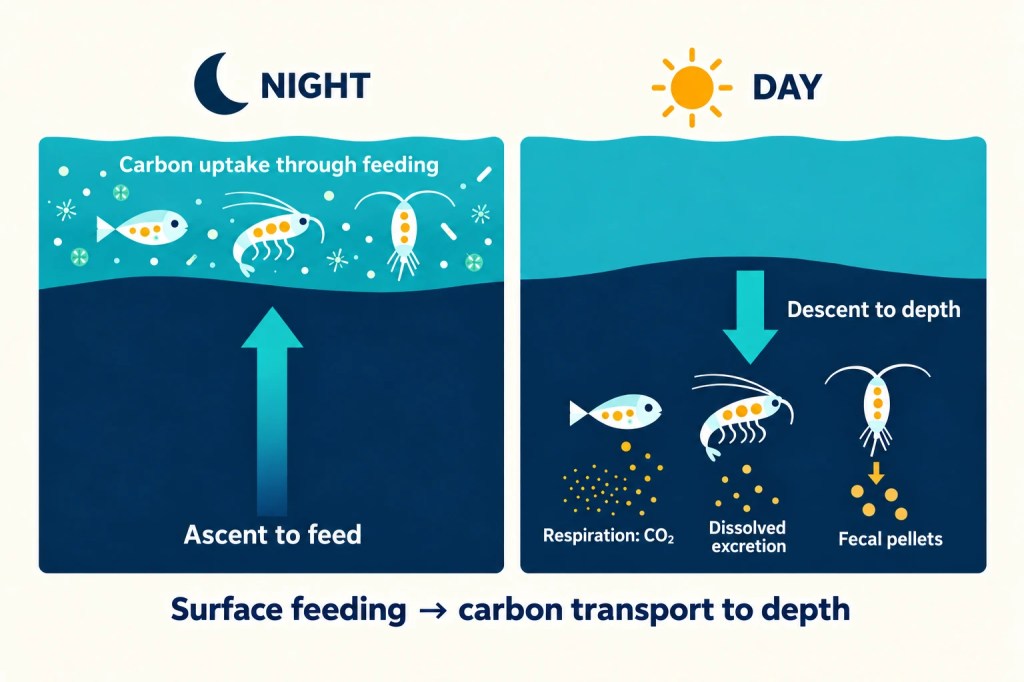
The Pacific Ocean, which covers about a third of the planet’s surface, largely determines how the entire ocean ecosystem works, yet its open areas and depths remain unevenly studied. Plankton here is the basis of the food chains: phytoplankton produces about half of the Earth’s primary production, and zooplankton passes this organic matter up to fish, including tunas, which account for more than half of the world catch and underpin the economy and food security of the island states of the region. The vertical dimension is just as important: sinking through the water column as faecal pellets and remains of organisms, carbon is removed from contact with the atmosphere, and the amount of CO₂ the ocean can hold depends on the intensity of this “biological carbon pump”. It is impossible to assess plankton stocks, species composition and their variability over the vast expanses of the Pacific without joint work by specialists from different countries.
Our laboratory expresses its sincere gratitude to Neville Smith, Valérie Allain, Elodie Vourey and other colleagues from SPC for organising the visit, the warm welcome, the high professional level of the joint work and the hope for long-term cooperation.
The trip was partly funded by the State Assignment FMWE-2024-0023, headed by A.L. Vereshchaka.


Leave a Reply