
In March–April 2026 our Laboratory organised another oceanic plankton expedition aboard a sailing yacht. The Eldorado cruise was the fourth in a series of voyages that successfully use tourist yachts for scientific tasks. As last year, the expedition was part of the project “Tropical and subtropical plankton of the World Ocean from the surface to the depths: biodiversity, stocks and relationship with climatic processes”. The project is supported by the Russian Science Foundation within the funding of research projects of world-class laboratories.
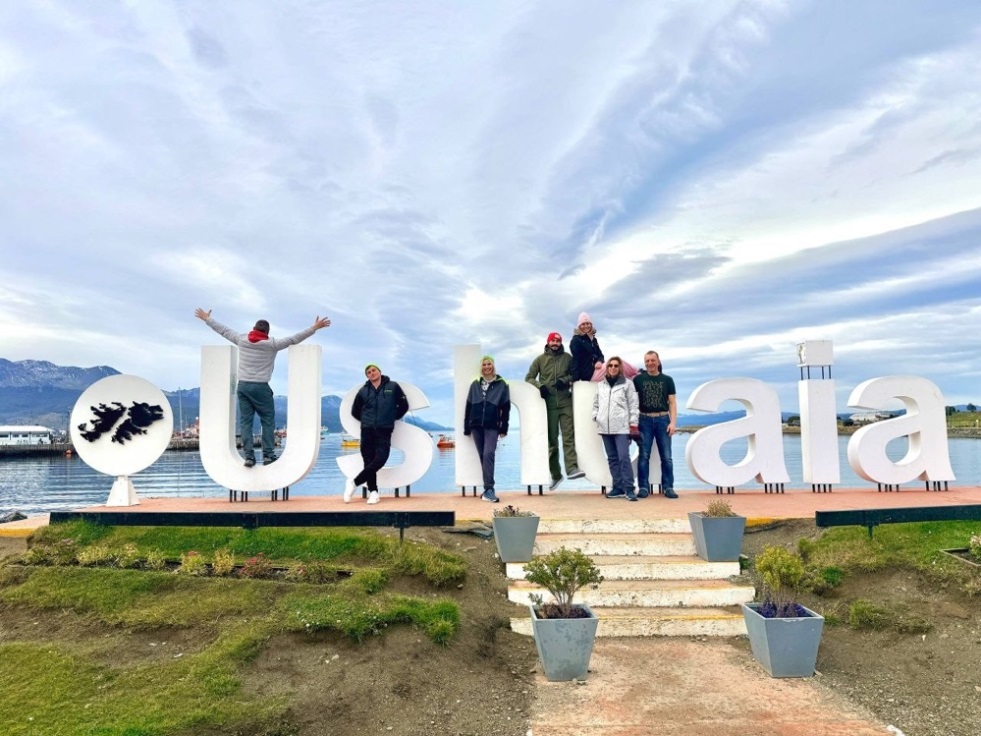
Start of the cruise: Ushuaia
The route began in Ushuaia (Argentina), the southernmost city in the world. The place is well known to regular participants of South Atlantic cruises. From there the vessel was to sail along the coast of South America and, after 22 days, arrive at Itajaí (Brazil).
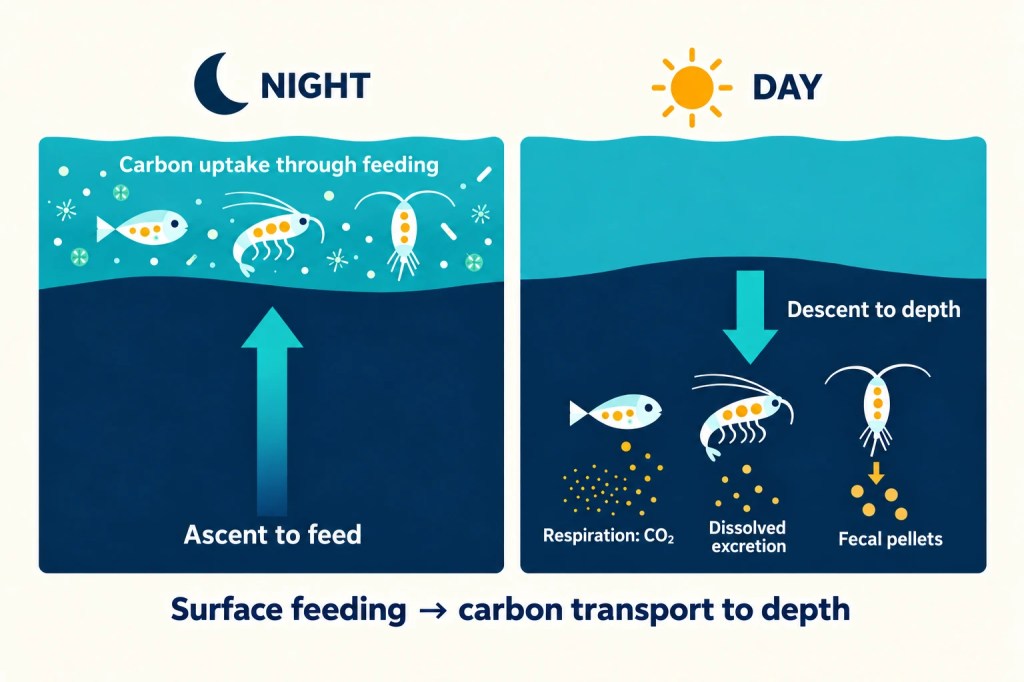
The main task of the cruise was to collect material for a quantitative estimate of the contribution of the migratory branch of the biological carbon pump. Vertical migrations of marine zooplankton work as an active component of this pump. At night, zooplankton feeds near the surface, taking up organic matter synthesised by phytoplankton. During the day it carries carbon to depth, where it releases it through respiration and physiological excretion. This active and very fast transport (hundreds of metres a day) accounts for tens of percent of the total flux of carbon exported from the ocean’s surface layer. Existing estimates vary widely, and obtaining accurate ones is an important task not only for ocean biogeochemistry but also for improving climate models. To this end, 24-hour sampling (day and night at the same station) was carried out in the 0–200 m and 0–1000 m layers, covering the whole zone of zooplankton vertical migrations.
Tasks of the cruise
The tasks also included more traditional work that supports an understanding of the state of pelagic ecosystems, for example measuring water transparency and layer-by-layer sampling of phytoplankton down to 70 m. As a result, material for faunistic, morphological and molecular genetic analysis was collected in a hard-to-reach region of the World Ocean. This will make it possible to study the seasonal dynamics of zoo- and phytoplankton in different areas of the subtropical Atlantic: the frequency and intensity of seasonal peaks and their relationship with abiotic environmental factors. More detailed maps of the distribution of pelagic bioresources of the Atlantic will also be built. An additional contribution to our knowledge of the ocean will be new data on the biodiversity of the pelagic zone of the South Atlantic, a region currently difficult for Russian scientists to access.
Features of the area
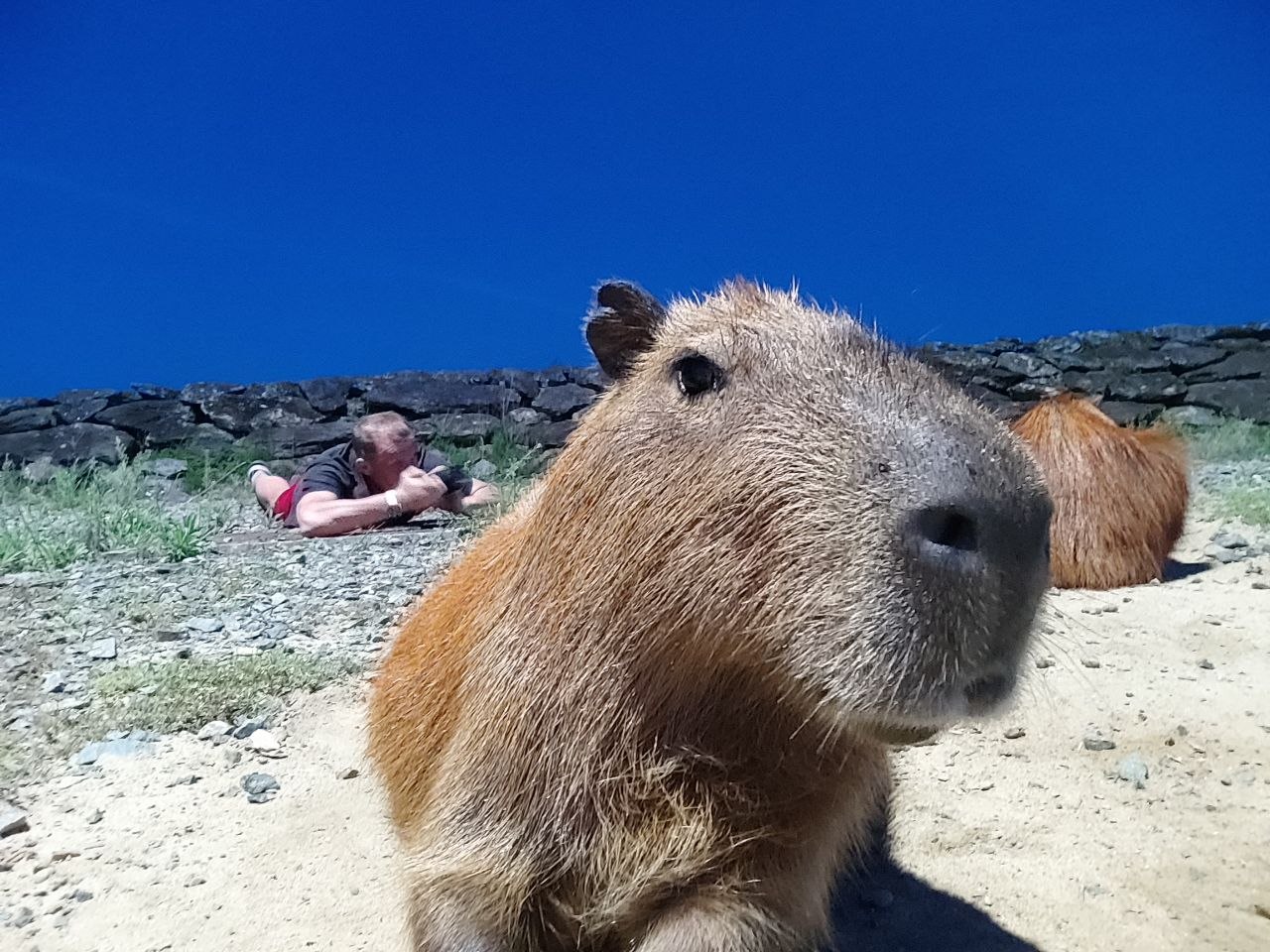
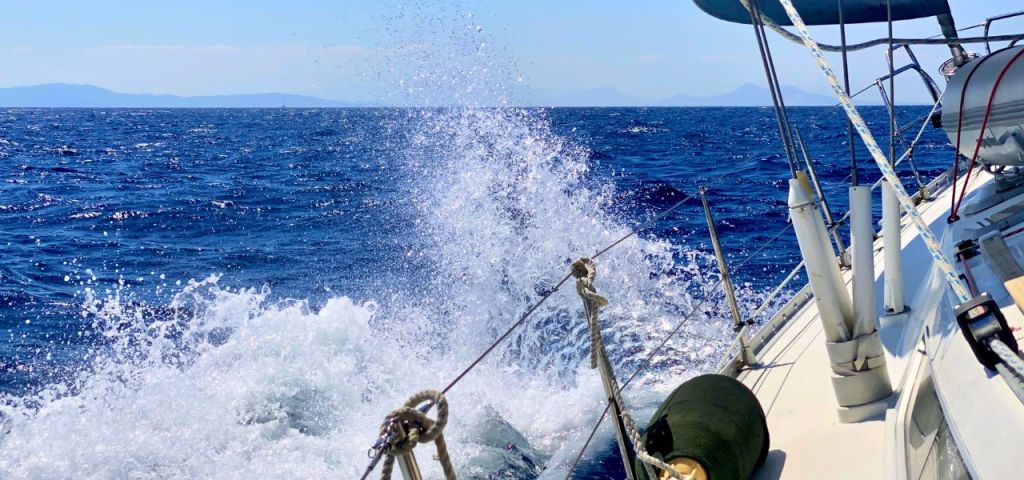
The work was carried out between 31°S and 27°S, in the austral autumn. This naturally affected the weather, especially at the beginning of the cruise, when passing through the “Roaring Forties”. But as the latitude changed, so did the weather. For the participants this meant a gradual transition from winter clothing to summer clothing, from having to keep one’s balance on the waves constantly to being able to calmly admire the ocean, and from the subantarctic nature of Ushuaia to the coconuts and capybaras of Itajaí. It also marked the start of daily deep-water sampling.
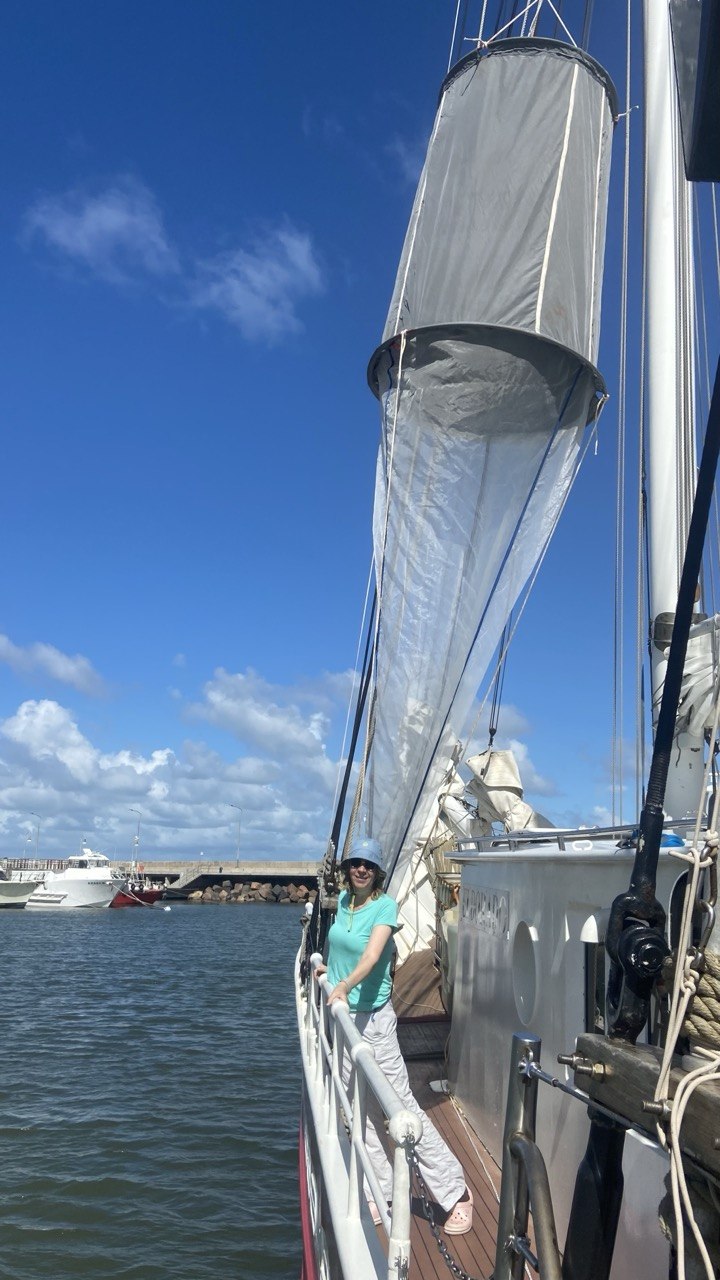
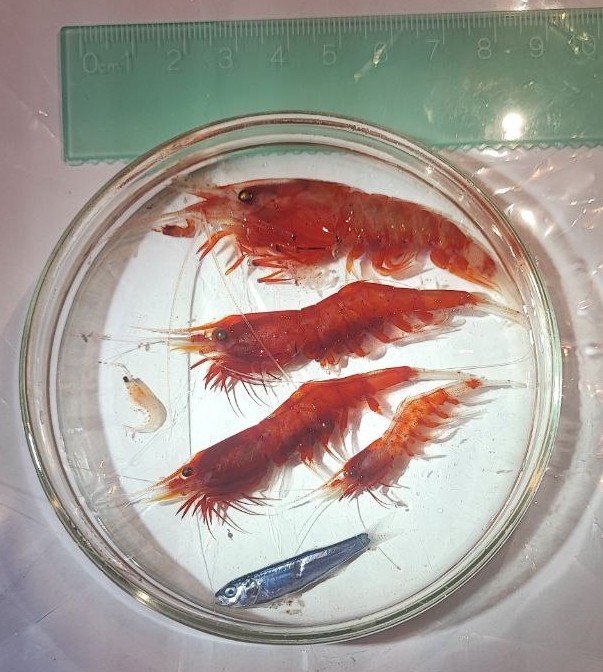
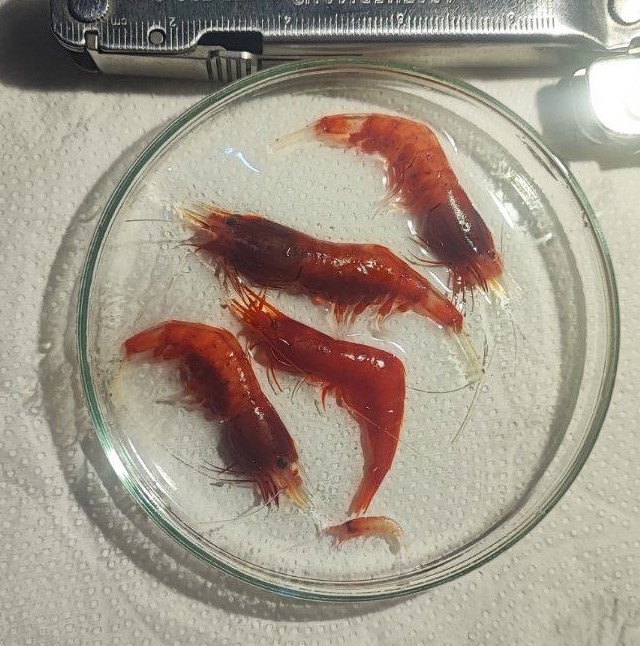
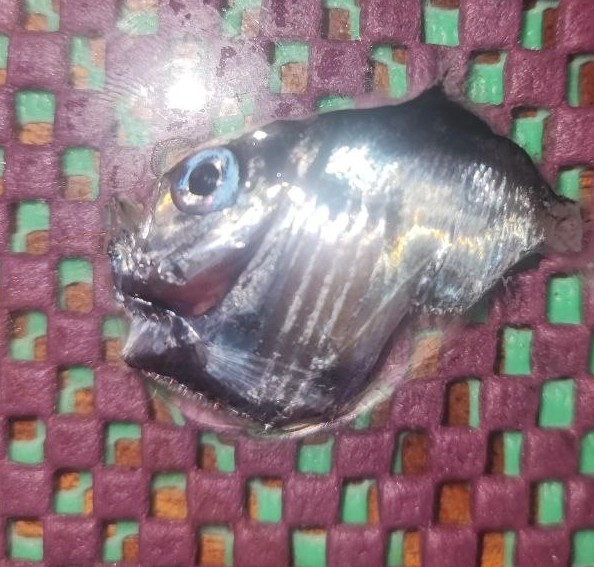
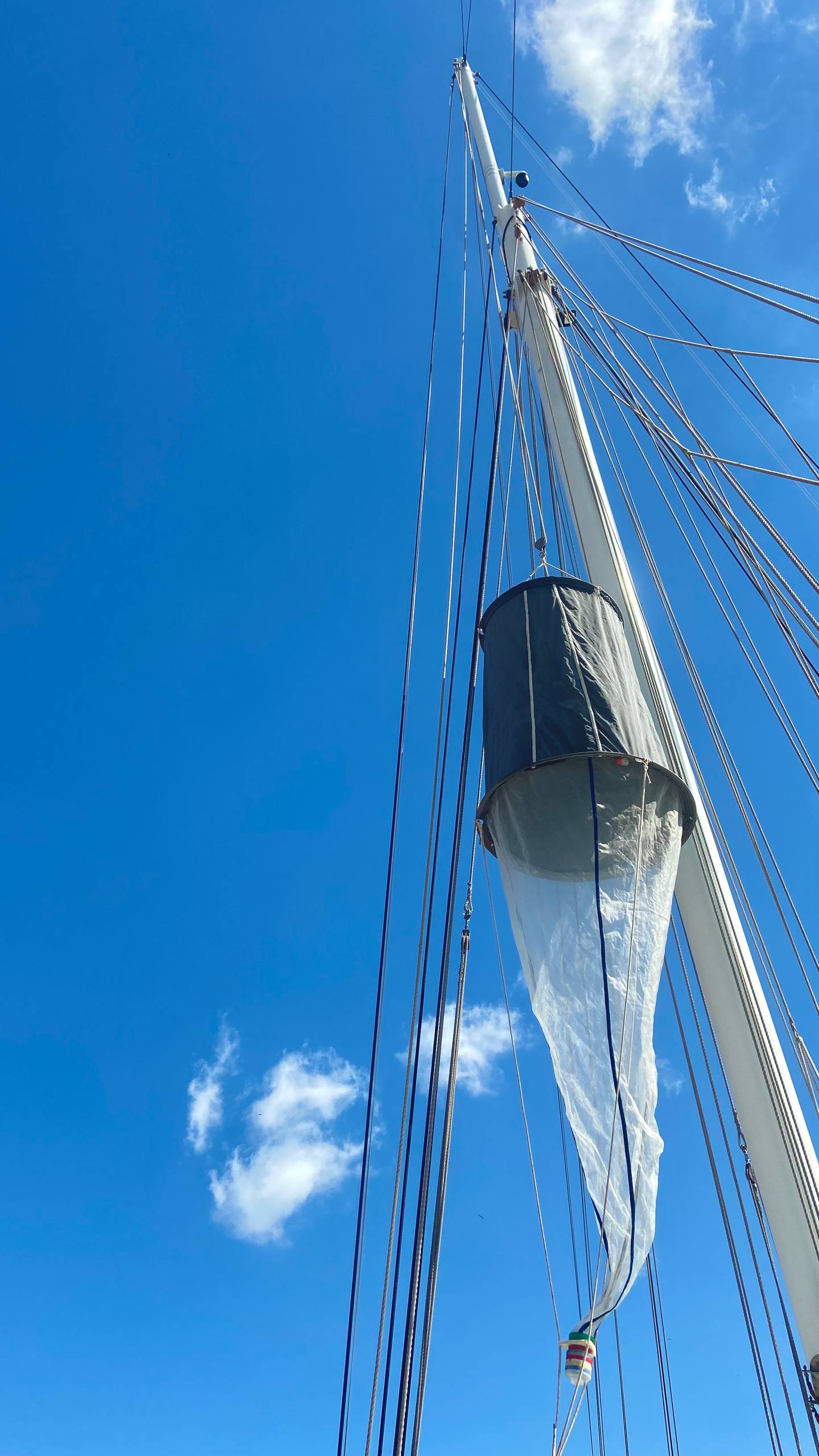
The main fishing gear is the Bogorov–Rass net, and the catch consists of those very migrants that provide the migratory branch of the carbon pump.
Laboratory of Structure and Dynamics of Plankton Communities, project “Tropical and subtropical plankton of the World Ocean from the surface to the depths: biodiversity, stocks and relationship with climatic processes”, RSF grant 25-77-30002 (“Research by world-class scientific laboratories within the framework of the priorities of scientific and technological development of the Russian Federation”)


Leave a Reply