
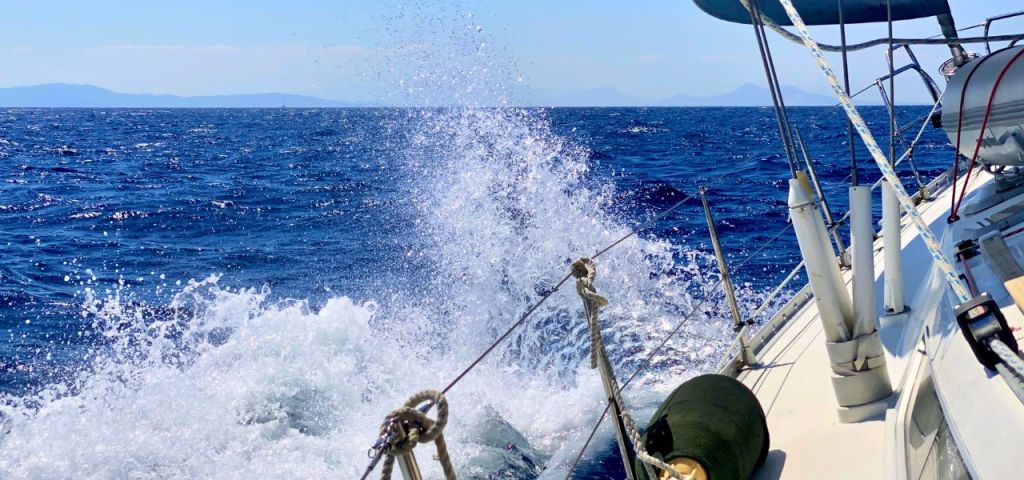
The last dash to Mauritius is done. The weather did not spoil us, but we still took 5 more deep-sea stations, 13 in total for the expedition (plus the first shallow one). As before, not a single serious failure. The second part of the expedition, east of Madagascar, took place in exceptionally poor waters, and we expected the fauna to change at least at some depth. This did not happen. Visually, the abundance of mesoplankton fell several-fold at all depths, but the faunal composition of the dominant groups remained the same. There was several times less macroplankton (mainly shrimps and Cyclothone), so they appeared in the nets irregularly: where before there were steadily 2–3 specimens per station, now there are 1–2 per 2–3 stations. But the direct link between their biomass and the productivity of the waters is confirmed.


So, the overall results for the south-western Indian Ocean:
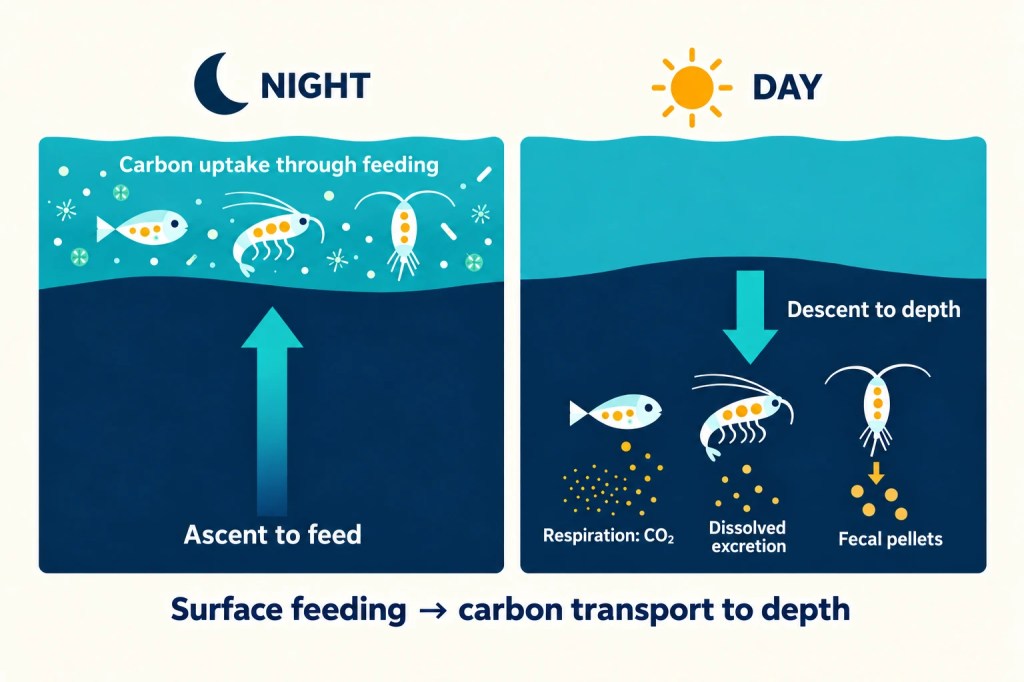
1. As in the Atlantic, the biomass of deep-sea mesoplankton and shrimps is related to the concentration of surface chlorophyll. The regression coefficients and R² will be known after the material is processed, but we are already confident that the relationship will be good. This means that the stocks of deep-sea plankton and shrimps over large areas of the Indian Ocean can be estimated from satellite data on surface chlorophyll concentration.
2. The mean biomass of shrimps is comparable to the mean biomass of mesoplankton in waters of different trophic status, and our conclusion that the role of shrimps in the ocean is radically underestimated is confirmed for a new large area.
3. A change in the trophic status of the waters in the studied region (and hence within the studied range) does not lead to a serious restructuring of the community. The ratio of groups remains stable. It seems that the composition of dominant species does not change either. On a yacht we could identify only the shrimps Acanthephyra quadrispinosa and Systellaspis debilis, and both dominated along the whole route of the expedition.
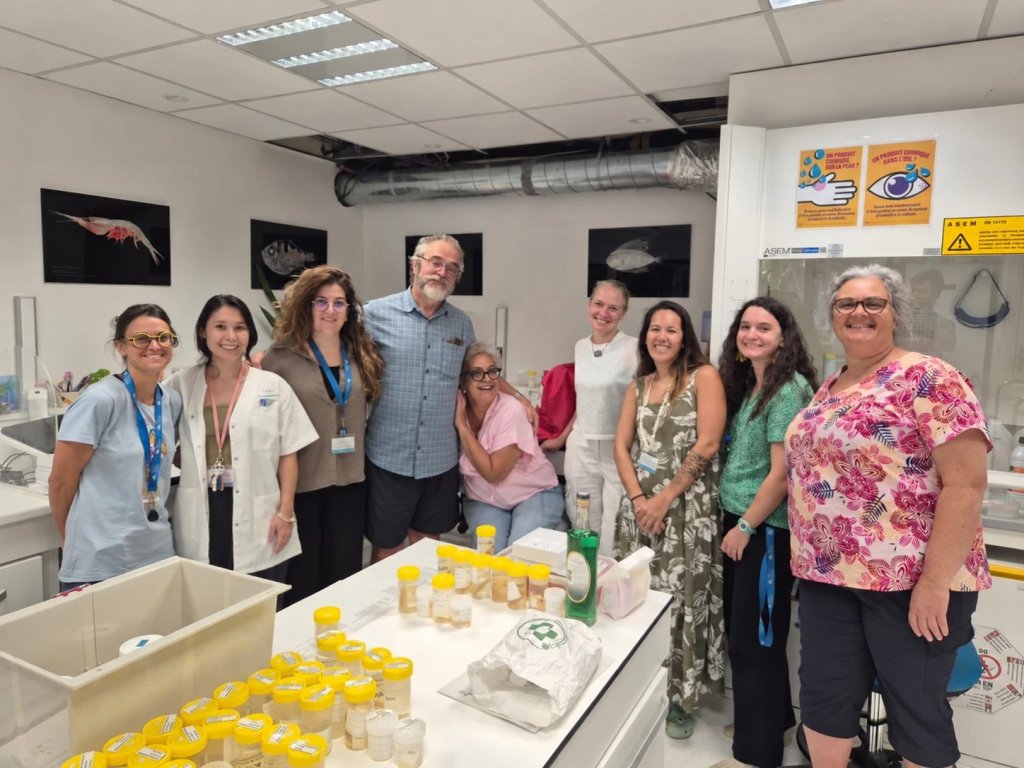
4. But most importantly, we collected 40 samples (14 stations) down to 1500 m in a part of the World Ocean where there have long been no deep-sea expeditions and probably will not be any soon. (Although who knows, if our idea catches on.) These samples, fixed in alcohol, will allow us not only to study the species structure of this almost unexplored area but also to carry out molecular genetic studies of true biodiversity and of micro- and macroevolutionary processes in the World Ocean. All that remains is to deliver the samples to us.
Yesterday we arrived in Mauritius and even set foot on its soil. For me it was an unusual feeling: I welcomed the year 1989 here during the 17th cruise of the R/V Vityaz. Now, exactly 32 years later, I felt beside me the shades of Kir Nazimovich Nesis, Nikolay Vasilyevich Parin, Yuri Alexandrovich Rudyakov (the only one still alive, in America), Mikhail Vladimirovich Geptner… I am now the same age as they were then…
The radio constantly broadcasts warnings about the dangers of the Mauritian reefs, and not without reason. Having set foot on Mauritian soil and passed all the controls, our yacht was sent back to the roadstead. World science ran aground on the reefs of Mauritian bureaucracy. To be continued…


Leave a Reply